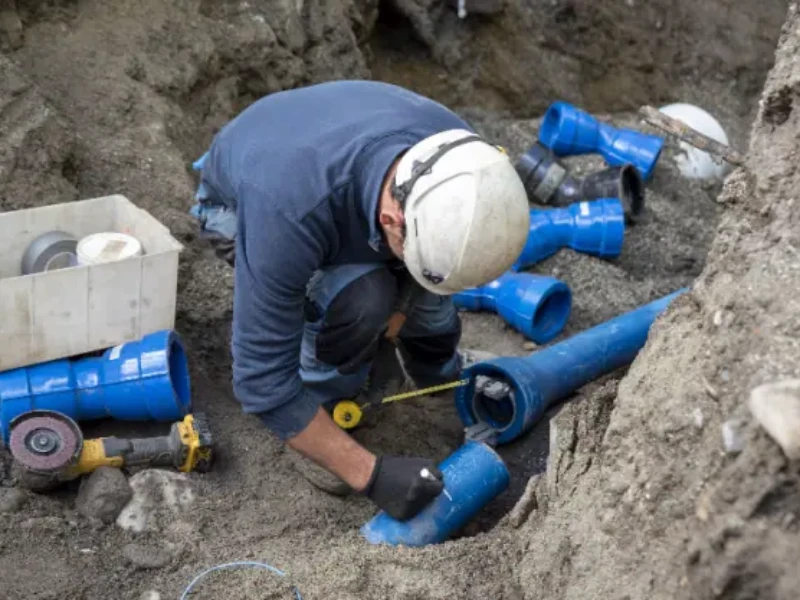
Even in California, cold snaps can drop temperatures enough to freeze exposed pipes, especially in attics, crawlspaces, garages, and outdoor lines. A burst pipe from freezing can cause thousands of dollars in damage, so a little prevention goes a long way.
Before a cold snap
- Insulate exposed pipes in attics, crawlspaces, and garages.
- Disconnect garden hoses and shut off outdoor spigots if you can.
- Seal drafts near pipes with caulk or insulation.
- Know where your main shutoff valve is and test it.
During freezing weather
- Let a faucet drip, especially one on an exterior wall, to keep water moving.
- Open cabinet doors under sinks so warm air reaches the pipes.
- Keep the thermostat steady, day and night.
- If you leave, set the heat no lower than about 55°F.
If a pipe freezes
Shut off the water and gently warm the pipe with a hair dryer, starting near the faucet end. Never use an open flame. If a pipe has burst, shut off the main valve and call for help. See our water line repair and emergency plumbing services, or call (800) 390-6351.
Questions about your own plumbing? Contact us or call (800) 390-6351. This article is general guidance, not a diagnosis.