
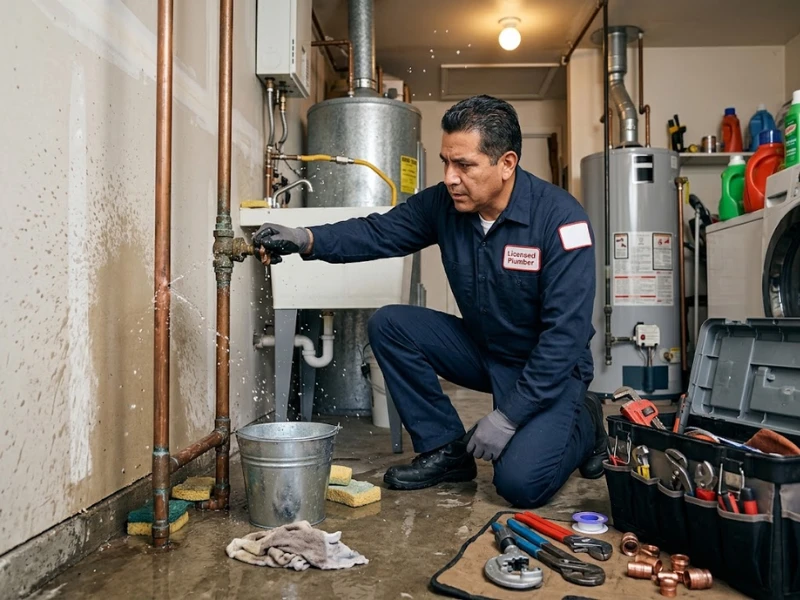
Burst Pipe Repair in Long Beach
Emergency repair for burst and leaking pipes before damage spreads.
Learn moreA water bill that jumps, a meter that never stops, or a warm spot on the floor usually means water is escaping somewhere you cannot see. California Plumbing Pros finds hidden leaks in Long Beach homes using pressure isolation, acoustic listening, thermal imaging, and tracer gas, before walls, floors, or landscaping are opened.
We locate the leak with equipment first, so demolition stays small and targeted.
From under-slab copper to behind-wall supply lines, we find the source.
We confirm water loss and isolate hot from cold before recommending repairs.
Spot repair, reroute, or repipe, explained with the trade-offs of each.
East Long Beach and Los Altos are full of slab-on-grade homes built after World War II. Their copper supply lines run directly under the concrete, and after decades of contact with soil, rebar, and water, pinholes form. Beachfront and coastal properties add salt air that corrodes exposed fittings, hose bibs, and water heater connections. Inland, tree roots and older galvanized lines cause a different set of leaks.
Not every leak is where the stain appears. Water follows the path of least resistance along a slab, inside a wall cavity, or through a planter bed, so the visible damage can be several feet from the failure. We confirm the loss first, isolate hot from cold, and locate the source before recommending a repair.
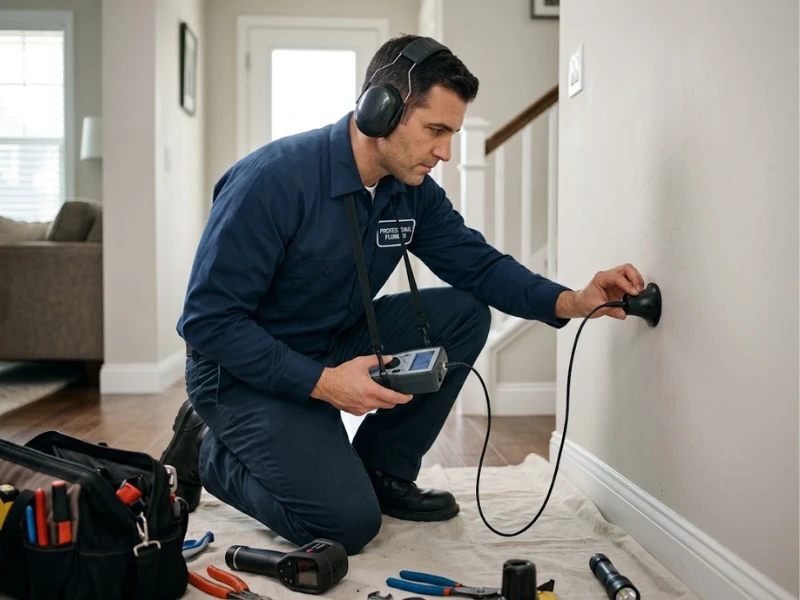
Water waste often shows up on the meter or the bill before it shows up on the floor.
With every fixture off, a spinning meter means water is still flowing somewhere.
A sudden increase without a change in usage is one of the most reliable clues.
A hot-water leak under a slab can heat the flooring above it.
Hissing or running water with everything off points to a pressurized leak.
Musty odors, bubbling paint, or damp carpet can mean a slow leak behind a surface.
Shifting soil and water loss can crack finishes and drop pressure at fixtures.
Detection comes before demolition. We confirm, isolate, and pinpoint the leak.
We check the meter and use pressure testing to verify that a leak exists.
We separate hot and cold systems, then use acoustic, thermal, or tracer-gas equipment to pinpoint the source.
We mark the leak location, document the finding, and explain the repair options.
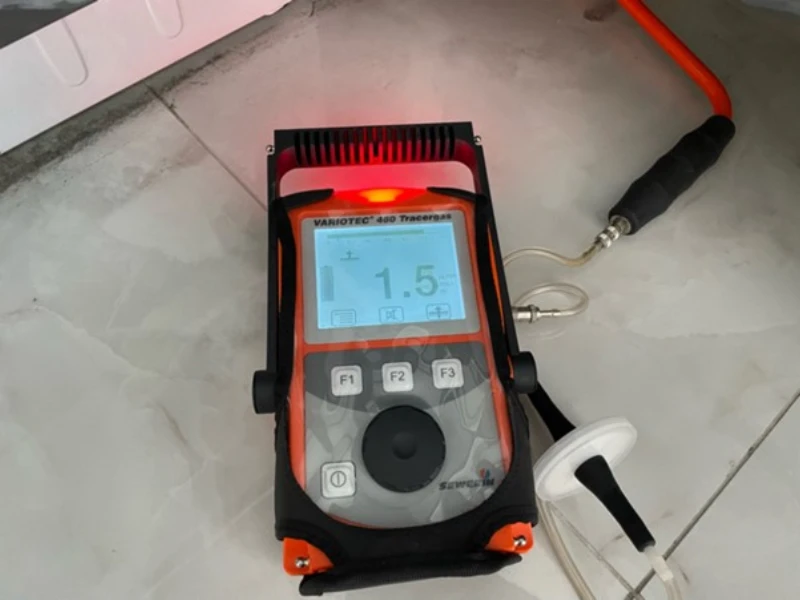
Detection is a separate skill from repair. We use the meter, pressure gauges, acoustic microphones, thermal imaging, and tracer gas as needed, then mark the location so the repair can be targeted. You get a clear explanation of what failed and a plan for fixing it. Learn more about professional leak detection or return to the Long Beach plumbing page.
Finding the leak is its own job. These factors determine how much time and equipment it takes.
A visible fixture leak is quick; a quiet leak under tile or a slab takes more equipment.
Hot-side leaks often show up thermally; cold-side leaks can be quieter and harder to find.
Tile, hardwood, cabinets, and landscaping raise the cost of both detection and repair.
After-hours detection costs more, and the repair approach changes the total project.
Leak Detection often connects to other plumbing work. These Long Beach service pages cover the related problems we handle.
Emergency repair for burst and leaking pipes before damage spreads.
Learn more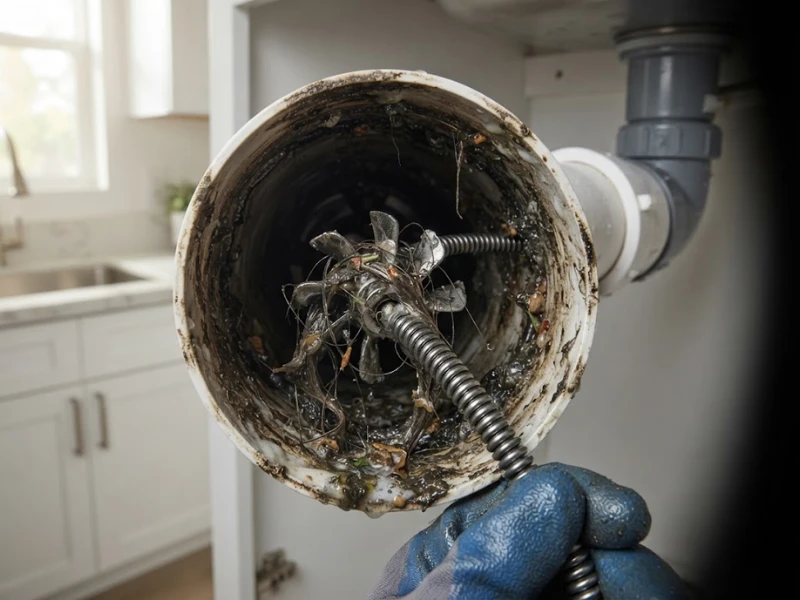
Clear slow, smelly, and backed-up drains, including main lines.
Learn more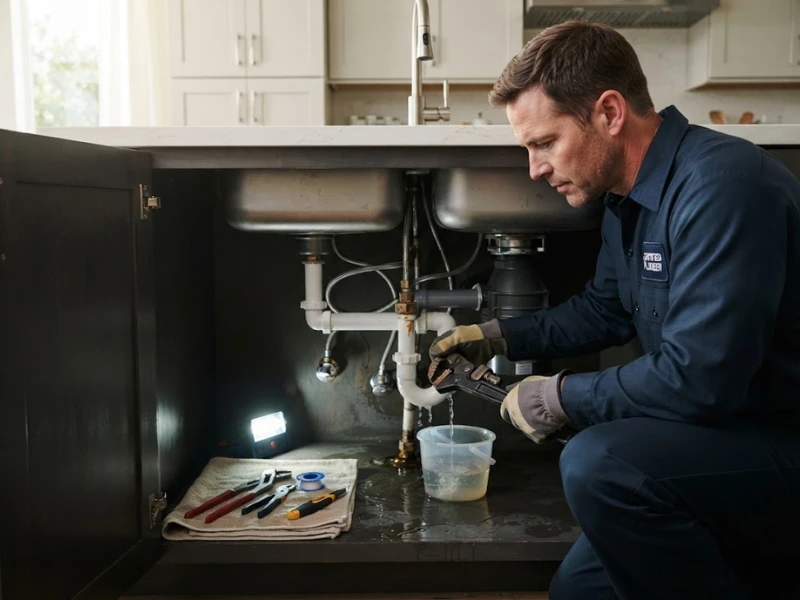
24/7 help for flooding, sewage backups, and urgent plumbing failures.
Learn more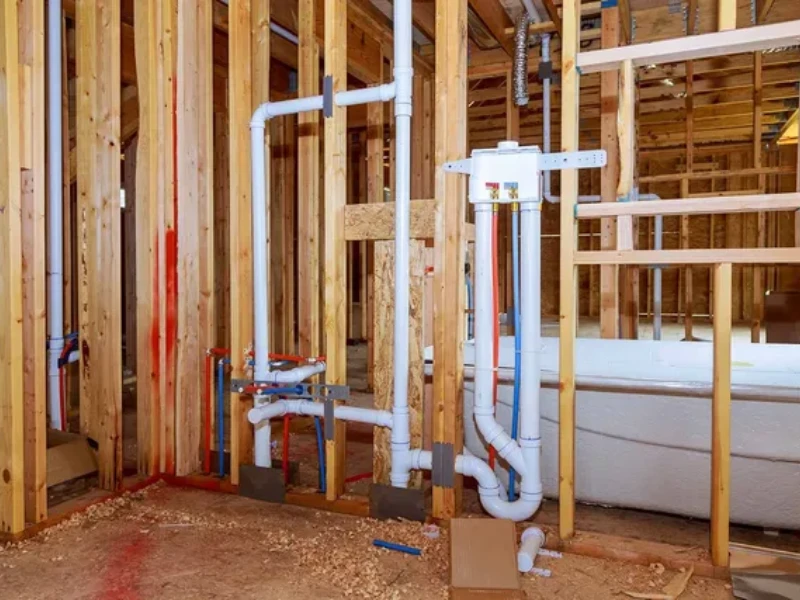
Full-service home plumbing for repairs, fixtures, and upgrades.
Learn more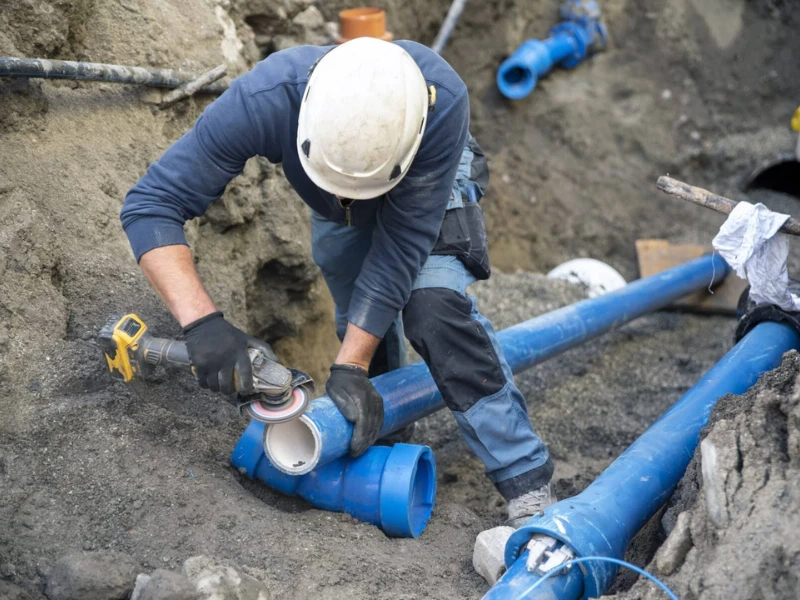
Camera-first repair for root-damaged and failing sewer laterals.
Learn more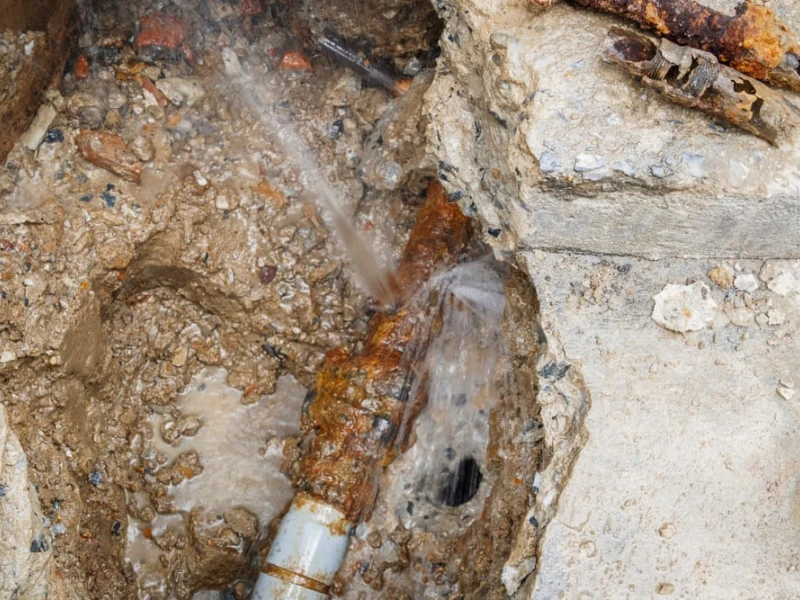
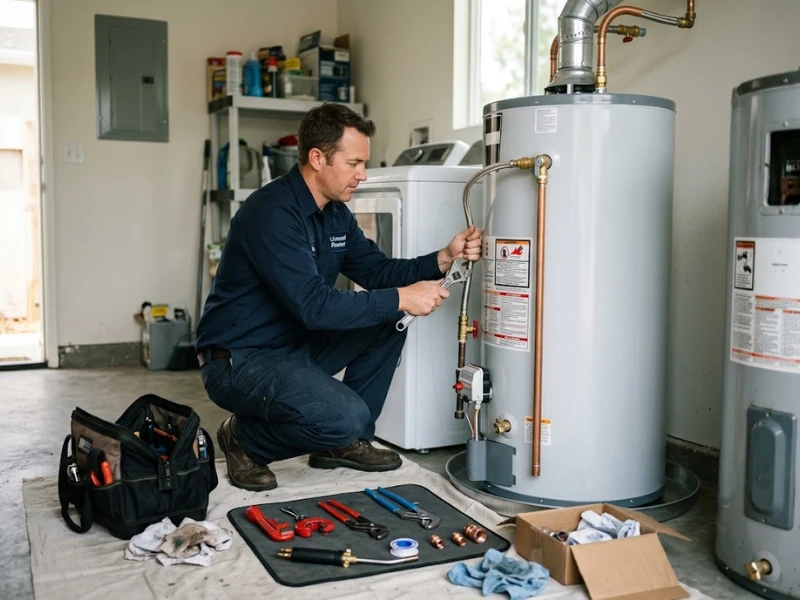
New tank, tankless, and heat pump installations with permits.
Learn more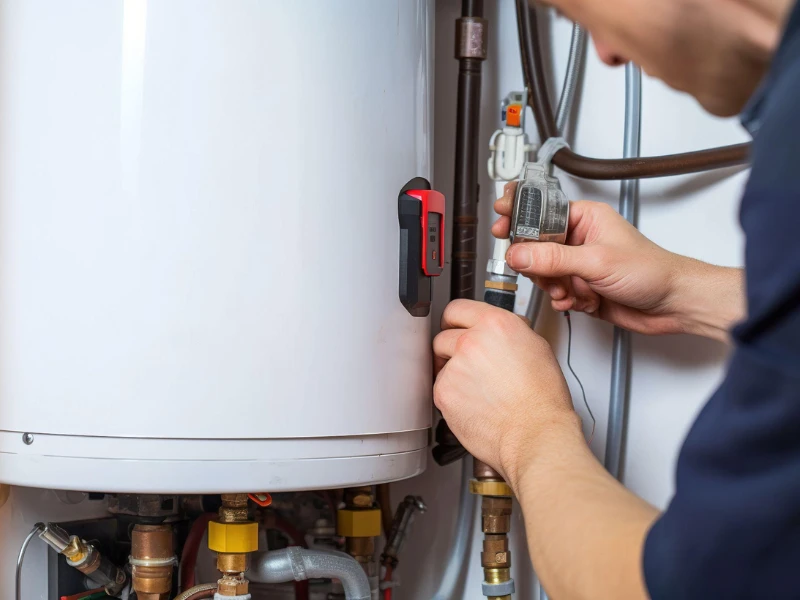
Replace aging or leaking units with code-correct installation.
Learn moreWe provide leak detection across Long Beach, including these neighborhoods. Return to the Long Beach plumbing page for the full service overview.
Belmont Shore, Naples, Alamitos Beach, and the Peninsula.
Historic bungalows with original supply and drain lines.
1930s to mid-century homes with a mix of pipe materials.
Condos, apartments, and older commercial buildings.
Post-war slab homes with under-slab copper supply lines.
Older tract homes, duplexes, and mature street trees.
Learn more about the problems behind your service call with these homeowner guides.
Answers to the questions Long Beach homeowners ask us most.
Check the meter with every fixture off. If it moves, note the reading, wait an hour, and check again. A rising bill, warm floor, or running-water sound also point to a leak.
In most cases, yes. We use pressure isolation, acoustic listening, thermal imaging, and tracer gas to locate the leak before any concrete is opened.
Yes. We can complete a spot repair, reroute the line, or recommend a repipe depending on the pipe condition and the leak history.
Leaks, irrigation problems, running toilets, and changes in usage can all raise the bill. A meter test and a fixture check help narrow it down.
Policies vary. Sudden water damage is often covered, while the pipe repair itself is frequently excluded. Check your policy before filing.
Yes. If a leak is active and causing damage, call (800) 390-6351 any time for 24/7 help.
California Plumbing Pros is ready to help with leak detection and related plumbing problems across Long Beach. Call now or request service online.